
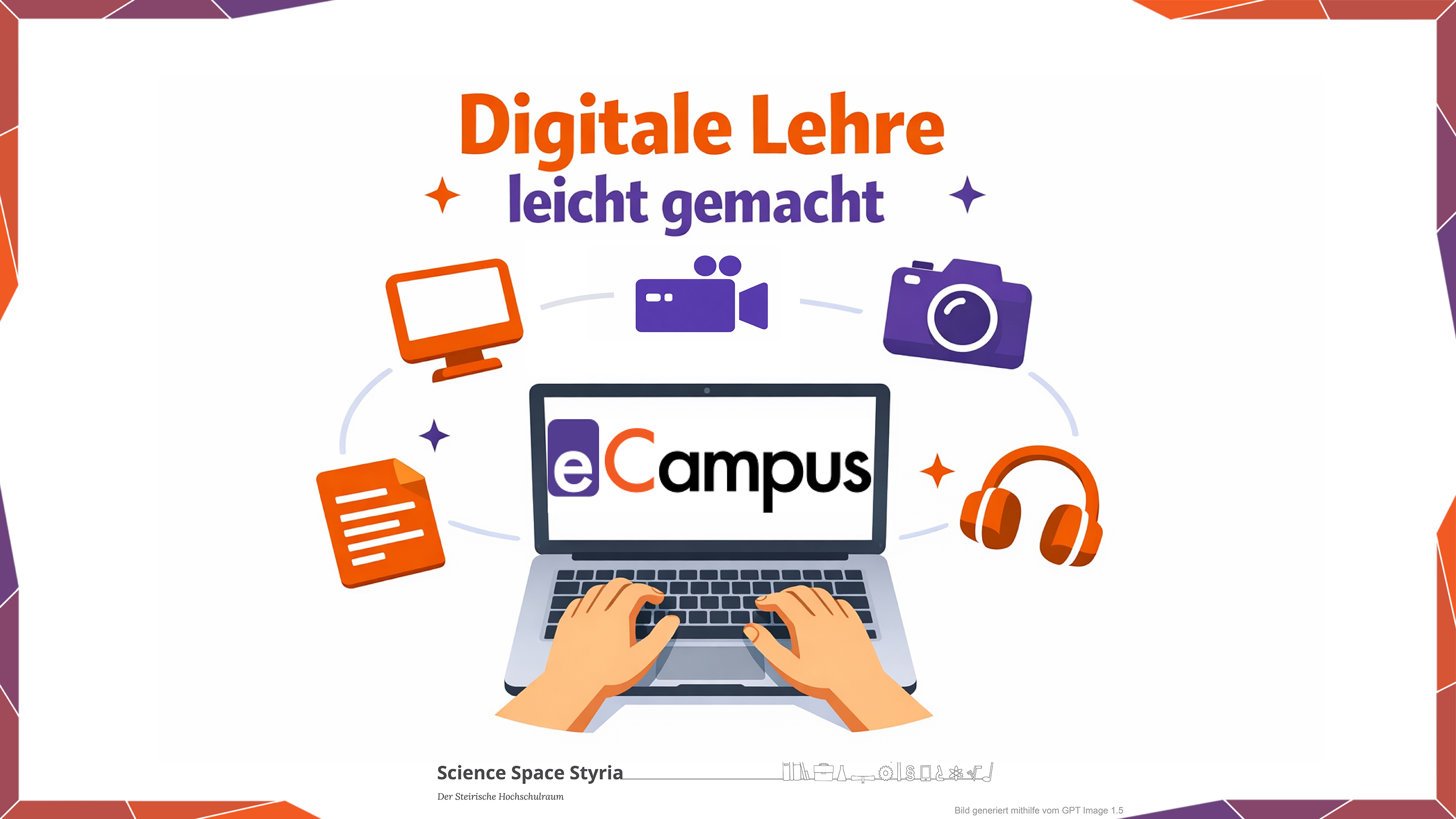
DIGITAL TEACHING MADE EASY: Using eCampus to effectively integrate technology in the classroom
Available from: 2. novembar 2026.
DIGITAL TEACHING MADE EASY: Using eCampus to effectively integrate technology in the classroom
Team eCampus
This course is part of a MOOC series: MOOCs for higher education teachers
Scientific classification:
Available from: 2. novembar 2026.
DIGITAL TEACHING MADE EASY: Using eCampus to effectively integrate technology in the classroom
Team eCampus
This course is part of a MOOC series: MOOCs for higher education teachers
-
Scope: 7 units
-
Effort: 2 hours/unit
-
Available from : 2. novembar 2026.
-
Available until: available indefinitely
-
Current status: upcoming course
-
Current participants: 215
-
Licence: CC BY-SA 4.0
-
Available languages:
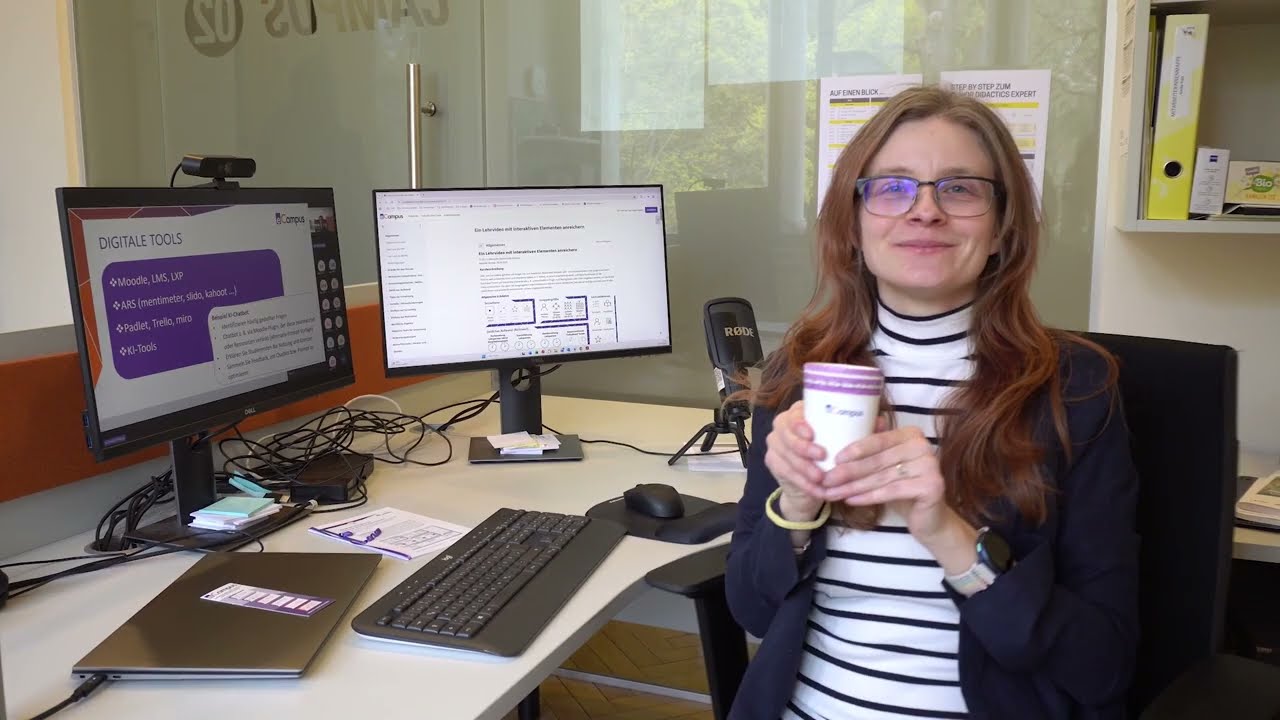
Trailer
Course details
General
The MOOC Digital Teaching Made Easy: Using eCampus to effectively integrate technology in the classroom offers comprehensive resources and strategies to make teaching more future-oriented with the help of digital technologies. Based on the free eCampus e-service, the course demonstrates practical approaches for integrating digital technologies in teaching. Participants will learn how to effectively implement digital technologies for interactive teaching and learning scenarios, creating a dynamic and engaging teaching and learning environment, and facilitating students' learning processes. The lessons can be completed individually according to the teachers' areas of interest.
Course content
In addition to an introductory lesson on the eCampus eService, six additional lessons are available, each focusing on various aspects of designing technology-enhanced teaching. These lessons cover relevant topics to help educators integrate digital tools effectively into their teaching practices.
Each lesson includes:
- an introductory video that provides an overview of the topic.
- two practice-oriented videos that delve deeper into specific aspects of the subject.
- concise experience reports from teachers, sharing insights on the methods used.
The lessons are organized around the following didactic topics:
- Lesson 2: managing Courses
This lesson focuses on creating transparent and structured digital teaching environments.
Topics: 'Setting up online learning spaces' & 'Setting rules for digital communication' - Lesson 3: creating teaching and learning materials
Learn how digital technologies can support the creation of interactive, varied, and engaging teaching materials.
Topics: 'Using screencasts in teaching' & 'Creating interactive digital scripts for teaching' - Lesson 4: delivering face-to-face teaching
Discover how digital tools can make in-person teaching more dynamic and encourage student participation.
Topics: 'Letting students create media products' & 'Enriching discussions with digital media and tools' - Lesson 5: delivering online teaching
Explore strategies for designing engaging synchronous and asynchronous teaching sessions using digital technologies.
Topics: 'Holding interactive video conferences in teaching' & 'Asynchronous working and discussing: Knowledge development independent of location and time' - Lesson 6: assessment and feedback
Learn how to provide feedback on student learning success digitally and efficiently.
Topics: 'Summative e-assessment: Checking learning success with digital tools' & 'Constructive feedback digitally and efficiently: Teachers give feedback to learners' - Lesson 7: technology-supprted course design
This lesson focuses on designing flexible and interactive learning spaces using digital technologies.
Topics: 'Blended learning: Planning, designing, and executing scenarios' & 'Flipped classroom as a teaching method: Planning, design, and execution'
Learning goals
Upon completion of the MOOC, the participants will be able to...
- ...navigate the eCampus platform successfully and use its features to support their teaching
- ...describe and critically discuss fundamental pedagogical principles and the basics of media pedagogy relating to the use of technology-enhanced teaching
- ...describe various applications of digital technologies in teaching and the associated opportunities and challenges
- ...weigh up the advantages and disadvantages of using technology in their own teaching
Prerequisites
No prior knowledge is required. The eCampus content on which this MOOC is based is specifically designed for teachers with varying levels of experience in digital teaching.
Course schedule
The course comprises 7 lessons on the following topics:
- Lesson 1: eCampus – an e-service for lecturers
- Lesson 2: managing courses – transparent, structured and inclusive digital teaching
- Lesson 3: creating teaching and learning materials – digital technologies for designing interactive, varied and engaging teaching materials
- Lesson 4: delivering face-to-face teaching – using digital tools in the lecture theatre to make teaching varied and facilitate participation
- Lesson 5: delivering online teaching – designing engaging synchronous and asynchronous teaching sessions using digital technologies
- Lesson 6: assessment and feedback – providing digital and efficient feedback on students’ learning progress
- Lesson 7: technology-supported course design – creating flexible and interactive learning spaces
Certificate
For actively participating in the course you will receive an automatic certificate which includes your name, the course name as well as the completed units. We want to point out that this certificate merely confirms that you answered at least 75% of the self-assessment questions correctly.
Licence
This work by Steirische Hochschulkonferenz is licenced under CC BY-SA 4.0.
Course instructor
Team eCampus
This MOOC was planned, designed, and created by the eCampus working group on behalf of Science Space Styria.
The eCampus team is represented by the four course instructors:
FH-Prof.in MMag.a Dr.in Dagmar Archan
Cornelius Benekam, BA, MA
Andrea Büchner, Ba, MA
Ivanka Cujic, BA, MA
Partners
Science Space Styria is a partnership of nine higher education institutions in Styria, comprising five universities, two teacher training colleges and two universities of applied sciences. The aim of this collaboration is to enhance the visibility of academia, create forward-looking research initiatives and develop cross-institutional education and training programmes. This is achieved through a wide range of joint projects between the higher education institutions, which includes eCampus.
-
Styrian University Conference
-

Graz University of Technology
-
Medical University of Graz
-
Campus 02 University of Applied Sciences
-
Technical University of Leoben
-

University of Graz
Ready to learn something new?