Magpylib: Magnetic Simulation in Python
Course start: 15. ноября 2026
Magpylib: Magnetic Simulation in Python
Florian Slanovc
Scientific classification:
Course start: 15. ноября 2026
Magpylib: Magnetic Simulation in Python
Florian Slanovc
-
Scope: 5 units
-
Effort: 1 hour/unit
-
Course start: 15. ноября 2026
-
Course end: -
-
Current status: Upcoming course
-
Current participants: 1
-
Licence: CC BY-NC-ND 4.0
-
Available languages:
Course details
General
Are you interested in magnetism and want to learn how to simulate magnetic fields in a simple and efficient way? In this course, you will get an introduction to Magpylib, a free and open-source Python library for magnetic field simulation. You will learn how to create magnetic systems, calculate their fields, and visualize the results.
No advanced programming or simulation experience is required – just bring your curiosity about magnetism and a basic understanding of Python or a similar programming language!
Course content
In three chapters, we will introduce you to the essential features and workflow of Magpylib:
- Chapter 1: Magpylib Objects – Create, visualize, and manipulate magnetic sources, sensors, and other objects.
- Chapter 2: Magnetic Field Calculation – Calculate magnetic fields and other physical quantities and learn how to perform efficient vectorized computations.
- Chapter 3: Visualization – Visualize magnetic systems and field results, customize graphics, and create animations.
Learning goals
After completing this course, you will be able to use the basic functionality of Magpylib to create magnetic systems, calculate their magnetic fields, and visualize the results.
You will also understand the basic principles behind Magpylib's calculations and know how to use vectorized computations for efficient simulations.
Prerequisites
Basic programming knowledge is recommended, preferably in Python or a similar programming language. No advanced knowledge of magnetism or numerical simulation is required.
To actively follow the examples in the course, you will need a working Python environment.
Course schedule
The course consists of three chapters. Each chapter introduces new concepts through explanatory videos and practical examples. The chapters build on each other and are designed to be completed in sequence.
The course is available for self-study, allowing you to learn at your own pace and revisit the individual lessons whenever needed.
Certificate
For actively participating in the course you will receive an automatic certificate which includes your name, the course name as well as the completed units. We want to point out that this certificate merely confirms that you answered at least 75% of the self-assessment questions correctly.
Licence
This work by Silicon Austria Labs is licenced under CC BY-NC-ND 4.0.
Additional information
Magpylib is free to use, open source and available on Github. You can experiment with the examples presented in the course and use Magpylib for your own projects and applications.
The online Magpylib documentation includes further information, examples, and details about the available functionality.
We encourage you to use the documentation as a reference while experimenting with Magpylib and exploring its capabilities beyond this introductory course.
Course instructor
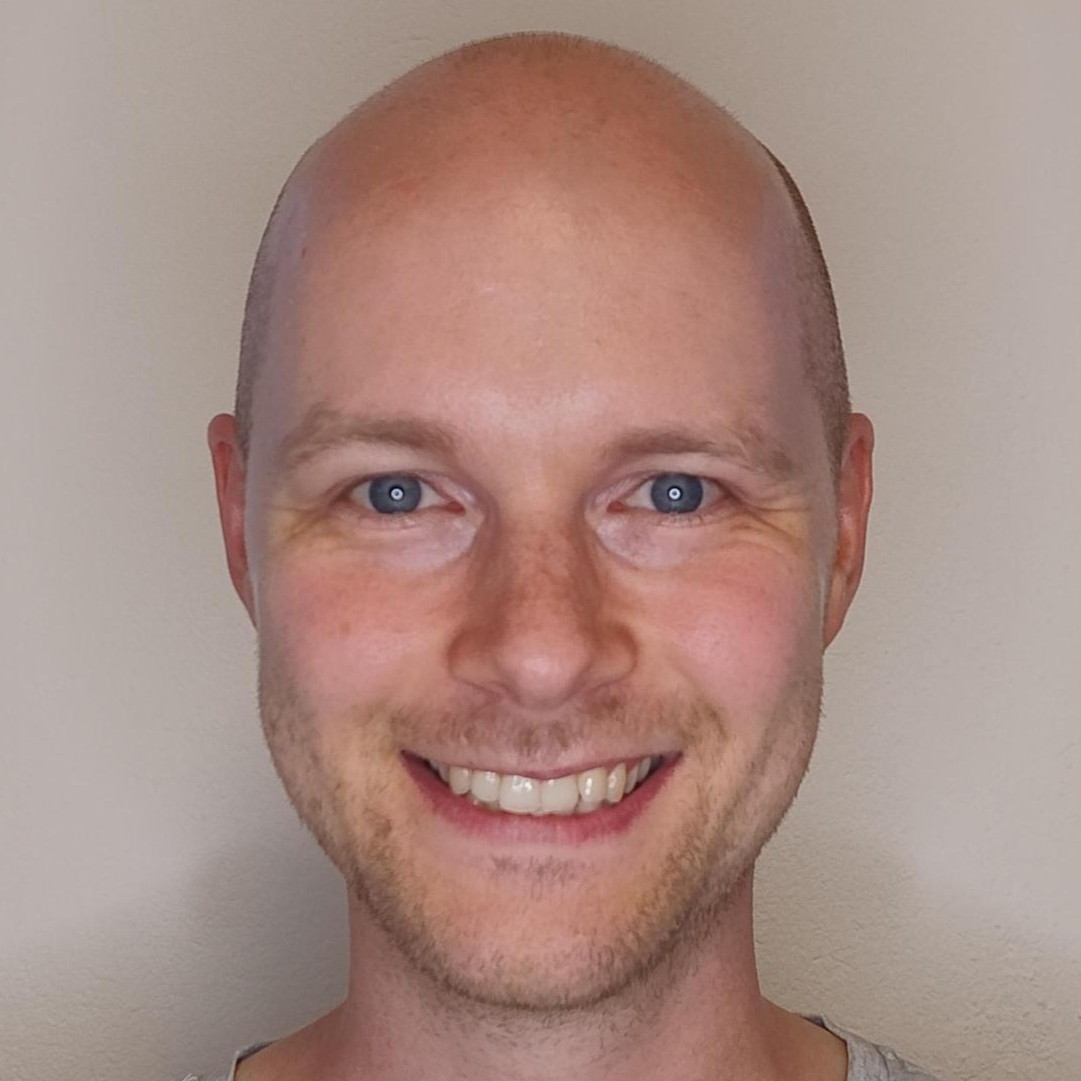
Florian Slanovc
Florian Slanovc works as a scientist specializing in magnetism at Silicon Austria Labs (SAL). Since Magpylib was first released in 2019, he has been actively contributing to its development and using it in a wide range of scientific publications and research projects with partners.
Other people involved in the MOOC production were:
- Alina Shumna
- Michael Ortner
- Borislav Hinkov
- Loreta Stojanova
- Henrik Knud Bjorn Siboni
Partners
-
Silicon Austria Labs
-
Austrian Chips Competence Center (AT-C3)
-
Graz University of Technology
-
National funding agency for industrial research and development in Austria (FFG)
-
Chips Joint Undertaking (Chips JU)i
-

National Foundation for Research, Technology and Development
-
Funded by the European Union
Ready to learn something new?